


Table of Contents
ToggleWhen a plumbing issue arises in your home, the decision to tackle it yourself or hire a professional can be daunting. Home projects involving plumbing are not only about fixing leaks or unclogging drains; they can significantly impact your household’s efficiency and safety. This article will explore the skills and tools required for DIY plumbing, the advantages of hiring a professional, cost considerations, and scenarios where professional assistance is indispensable. By understanding these aspects, you’ll be better equipped to make an informed decision tailored to your home and family’s needs.
DIY Plumbing: Skills and Tools Required
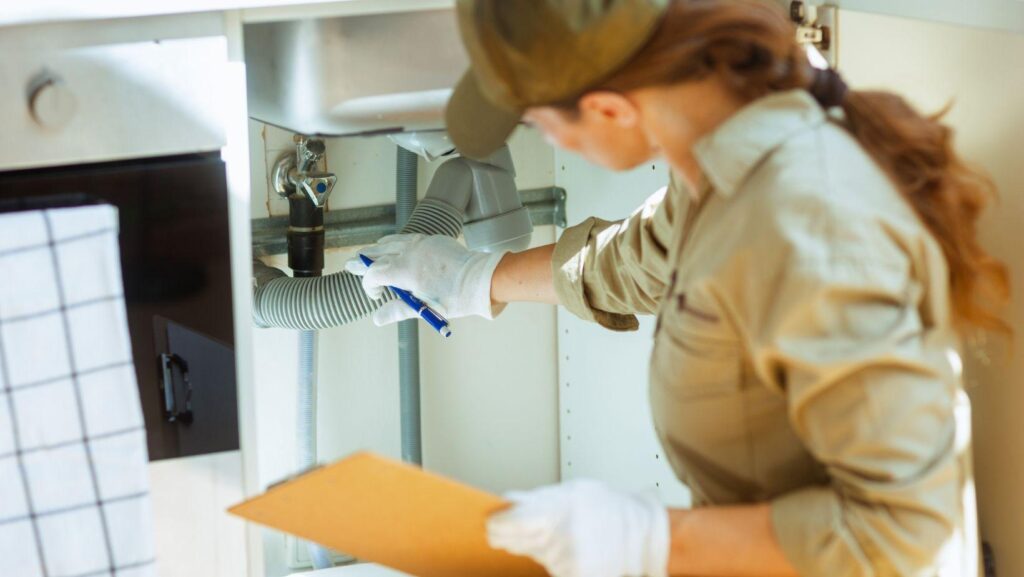
Before embarking on a DIY plumbing project, assessing whether you have the necessary skills and tools is crucial. Basic tasks such as fixing minor leaks or replacing faucets might be manageable for someone with a bit of home repair experience. However, projects like installing a smart thermostat integration with your plumbing system require advanced skills and tools, such as pipe wrenches and Plumber’s tape. Additionally, understanding home automation protocols is essential when integrating new technology into your plumbing system. If you need professional help, you can always reach out to a Plumber for guidance.
DIY projects can be rewarding but come with risks. Incorrect installations or repairs can lead to larger issues, including water damage and mold growth. For example, not complying with child safety compliance standards in plumbing fixtures can pose hazards to young children. Therefore, ensuring that your DIY efforts adhere to safety standards and local regulations is vital.
Advantages of Hiring a Professional Plumber
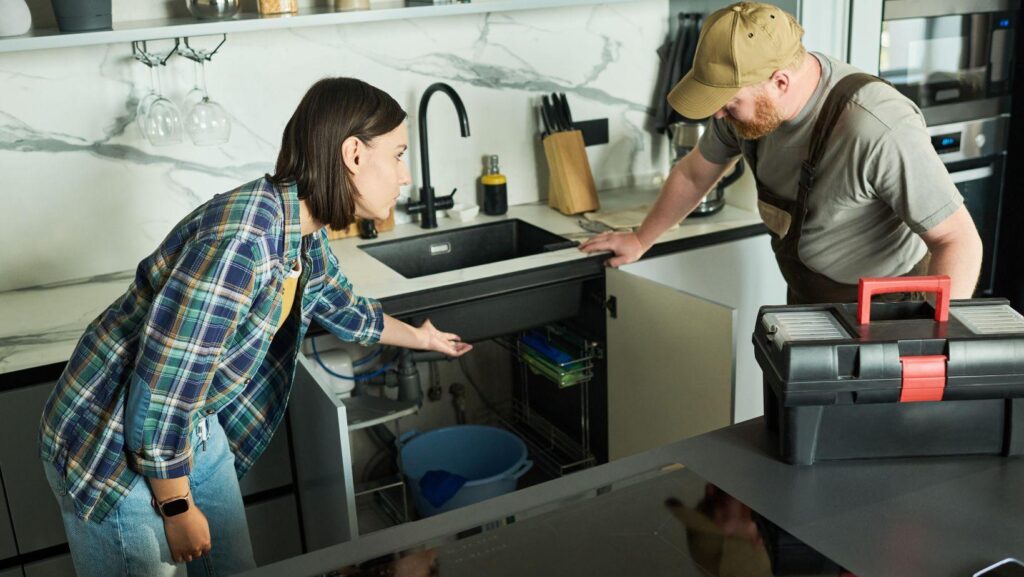
Hiring a professional Plumber provides several advantages that can outweigh the cost savings of DIY plumbing. Professionals have the expertise to perform complex tasks efficiently and safely. For instance, a professional can conduct a comprehensive indoor air quality assessment to ensure that your plumbing installations do not contribute to mold or dampness, which can affect your family’s health.
Moreover, professional Plumbers are well-versed in local building codes and regulations, ensuring that all repairs and installations comply with legal standards. This is particularly important for complex tasks like lead paint risk assessments in older homes, where improper handling can lead to severe health risks.
Another benefit is conflict resolution mediation in case issues arise during the project. Professionals often have the experience to handle unexpected problems swiftly, minimizing disruptions to your daily routine. According to recent studies by Houzz, homeowners report higher satisfaction rates when using professional services for major home projects.
Cost Considerations: DIY vs Professional Services
Cost is a significant factor when deciding between DIY and professional plumbing services. DIY projects can save money on labor costs, but the expenses can add up if specialized tools or materials, like eco-friendly insulation materials, are needed. It’s also important to consider the potential costs associated with mistakes or incomplete repairs.
On the other hand, hiring a professional Plumber might seem more expensive upfront but can be cost-effective in the long run. Professionals can perform a home energy audit procedure, identifying areas where water and energy efficiencies can be improved, thus reducing utility bills over time. Additionally, many professionals offer guarantees on their work, providing peace of mind and potentially saving money on future repairs.
When evaluating costs, consider consulting a trusted source like Angie’s List for average service pricing in your area. This helps you make an informed decision based on your budget and the complexity of the project.
Situations Where Professional Help is Essential
While DIY plumbing can be suitable for minor tasks, certain situations demand professional expertise. Complex installations, such as integrating a home inventory management system with your plumbing setup, require precise knowledge and skill. Additionally, any project involving household hazardous waste disposal should be handled by professionals familiar with the regulations and procedures.
Another scenario necessitating professional intervention is when dealing with plumbing issues governed by homeowners association bylaws. These bylaws often dictate specific standards and restrictions, and failure to comply could result in fines or mandatory rework. Furthermore, projects that require a comprehensive understanding of sustainable landscaping practices in relation to water usage should also be handled by experts.
Moreover, when plumbing problems could potentially impact child development milestones tracking, such as ensuring water safety and quality, professional Plumbers are best equipped to provide safe and reliable solutions. A qualified Plumber can ensure these critical aspects are addressed efficiently and effectively.
Conclusion
Choosing between DIY plumbing and hiring a professional involves weighing various factors, including skill level, cost, and project complexity. For minor repairs, a DIY approach may be suitable, but professional services are advisable for more intricate tasks. Ultimately, ensuring the safety and efficiency of your home plumbing system is paramount, making professional expertise a valuable investment for many home projects.