



Table of Contents
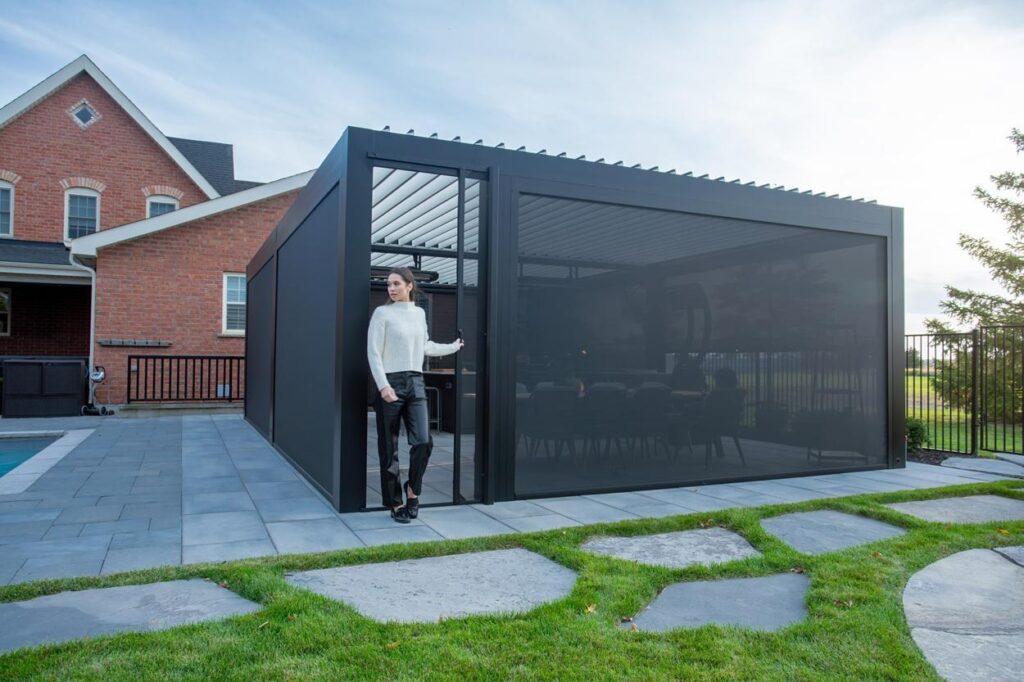
ToggleA low purchase price is easy to compare; the cost of living with an outdoor structure is less visible. Installation, upkeep and replacement parts can change the picture long after checkout. A Lousol pergola or another higher-priced system can therefore be assessed through expected ownership cost rather than appearance or price alone. Paying more only makes sense when the additional spending buys benefits relevant to the actual project.
The Cheapest Backyard Upgrade Is Not Always the Cheapest to Own
An inexpensive shade solution may be entirely appropriate for occasional use or a household expecting to move soon. Its low initial cost is a real advantage in those circumstances. A permanent outdoor room used frequently presents a different comparison, because reliability, repeated setup and future maintenance become more significant. The right decision depends on the intended period and pattern of use.
The opposite mistake is assuming that a premium price proves long life. Expensive features can add service needs without solving a meaningful problem. A fair assessment asks what is included, what is likely to require attention and how the product can be supported if a component fails. Brand position is a starting point for questions, not evidence that the ownership equation will favour every buyer.
Compare Five-Year Cost, Not Checkout Price
A five-year comparison gives the household a consistent planning period. It is an estimate rather than a prediction, with uncertain costs identified instead of disguised as precise savings:
- Initial cost includes the structure, delivery and any required installation services.
- Site work covers supports, preparation and changes needed before the product can be used.
- Routine care includes cleaning materials, surface treatment where applicable and paid maintenance.
- Repairs account for plausible component replacement, labour and access costs.
- Operating expenses include electricity for equipment the household expects to use regularly.
- Replacement scenarios include removal and reinstatement if an alternative does not last through the comparison period.
Alternatives need equivalent scope. Comparing a basic umbrella with a fully equipped permanent structure does not show which is cheaper at delivering the same service, because their functions differ. The owner can first define the required shade, coverage and expected use, then compare realistic ways of providing them. Unneeded accessories should be removed from both the brief and the financial argument.
Uncertainty can be handled with more than one scenario. A product that is economical only if nothing ever fails deserves a different assessment from one that remains reasonable with a repair allowance. Warranty coverage helps, but its exclusions, labour provisions and service process matter as much as its stated duration. The model should reflect those terms rather than treating all future repairs as free.
Why Materials and Engineering Change the Equation
Alloy specification, profile design, connections and protective finishes affect how a structure performs in its intended setting. The material designation alone does not prove the strength of the complete frame. The roof, posts, foundations and connections need to work together under the applicable design conditions. Spending on a suitable assembly can be more useful than paying for visible mass or decorative complexity.
Moving equipment introduces another layer of ownership. Motors, controls, seals and drainage components need access for inspection and eventual service. An integrated appearance is attractive, but a replaceable part should not require disproportionate dismantling. Clear identification of components and a practical repair route can make a meaningful difference to costs that are difficult to see in a showroom.
Pay for Features You Will Actually Use
Accessories earn their place through a clear relationship with household routines. A few practical tests help separate useful spending from equipment that merely makes the package look complete:
- Automation is valuable when roof adjustment would otherwise be awkward or frequently avoided.
- Privacy screens justify their cost when an identified sightline regularly limits use of the space.
- Heating is more relevant to frequent cool-weather seating than to a patio used only on warm afternoons.
- Lighting adds practical value when the household expects to dine or relax outside after dark.
- Additional controls should simplify operation rather than create complexity for occasional users.
Paying more upfront can reduce ownership cost when it prevents repeated purchases, supports repair and provides functions that remain useful. It can also cost more overall when the extra capability is unnecessary. The strongest decision connects the chosen structure with the household’s real use, a complete installation scope and a credible support plan. Value then comes from a durable, serviceable outdoor room that continues to justify its place, rather than from the promise that a premium price will inevitably pay for itself.