



Table of Contents
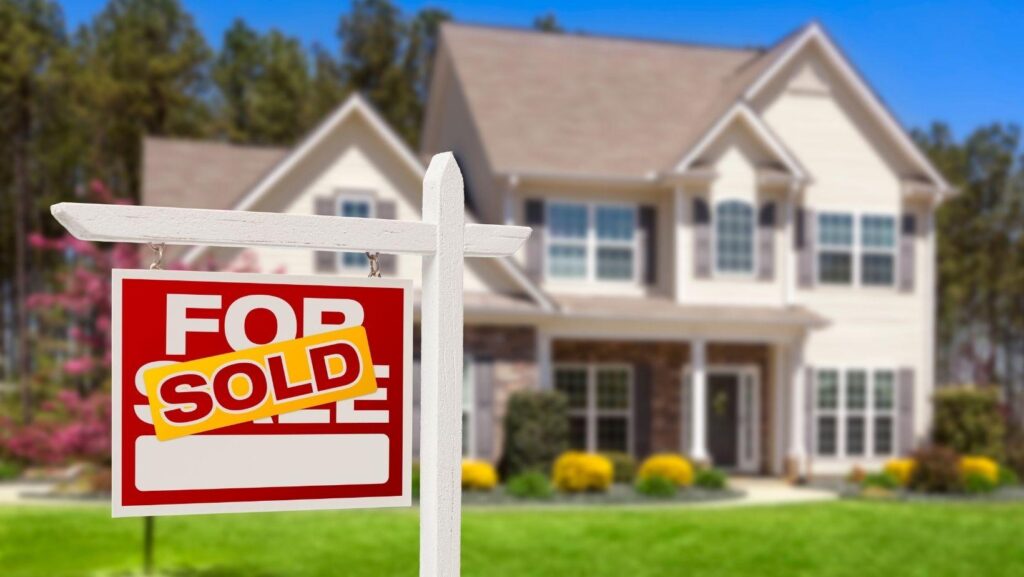
TogglePreparing a home for sale is not just about cleaning and staging. Strategic upgrades can significantly increase a property’s value, attract more buyers, and reduce time on the market. However, not all improvements deliver the same return. The key is to focus on upgrades that enhance both functionality and overall buyer perception.
Understanding which improvements offer the best value can help homeowners invest wisely and avoid unnecessary expenses before listing their property.
Focus on high impact, low disruption upgrades
Before considering major renovations, it is often more effective to start with upgrades that are simple but highly visible. These improvements can transform how a home feels without requiring large investments.
Fresh paint, updated lighting fixtures, and minor repairs can immediately improve the appearance of a property. Neutral colors and consistent finishes help create a clean, move in ready impression, which is highly appealing to buyers.
These small changes often deliver strong returns because they influence first impressions, which play a critical role in buying decisions.
Kitchen improvements that increase buyer appeal
The kitchen is one of the most important areas when it comes to adding value. Buyers tend to focus heavily on this space, and even minor upgrades can make a significant difference.
Instead of a full renovation, targeted improvements such as replacing cabinet hardware, updating countertops, or installing modern appliances can refresh the space without excessive cost.
A clean, functional, and visually cohesive kitchen helps buyers imagine daily life in the home, which increases its perceived value.
Bathroom upgrades that signal comfort and care
Bathrooms are another key area where upgrades can have a strong impact. Buyers often associate updated bathrooms with overall property maintenance and quality.
Simple improvements such as new fixtures, improved lighting, fresh grout, or updated mirrors can make a space feel more modern and hygienic.
In some cases, adding elements that enhance comfort, such as better ventilation or improved storage, can further increase appeal without requiring a full remodel.
Enhancing curb appeal and exterior presentation
First impressions begin before buyers enter the home. Exterior appearance plays a major role in attracting interest and setting expectations.
Landscaping, exterior cleaning, and small repairs can dramatically improve curb appeal. A well maintained entrance, clean pathways, and thoughtful outdoor presentation create a welcoming atmosphere.
These upgrades are particularly important because they influence whether buyers feel positively about the property from the start.
Creating functional and flexible living spaces
Modern buyers value flexibility. Homes that can adapt to different needs tend to perform better in the market.
Simple changes such as decluttering rooms, improving layout flow, or staging spaces for multiple uses can increase perceived functionality. A spare room presented as both a guest room and workspace, for example, appeals to a wider audience.
Flexible spaces make a home feel more practical and increase its usability in the eyes of potential buyers.
Energy efficiency and long term savings
Energy efficient upgrades are increasingly important in property valuation. Buyers are more aware of long term operating costs and often prioritize homes that help reduce utility expenses.
Improvements such as better insulation, energy efficient windows, or updated heating systems can increase both comfort and value.
These upgrades may not always be visually obvious, but they add credibility to the property and can influence more informed buyers.
Adding lifestyle and wellness features
Lifestyle upgrades have become more influential in recent years. Buyers are drawn to homes that offer more than just basic living space.
Features that support relaxation, entertainment, or well being can elevate a property into a more desirable category. This might include outdoor seating areas, quiet zones, or small wellness spaces.
Some homeowners explore options from brands like Select Saunas when considering wellness focused additions, as these features can enhance both daily comfort and overall property appeal without requiring extensive renovation.
Avoiding over improvement
One of the most important considerations before upgrading a home is avoiding over investment. Not every improvement will translate into a higher selling price.
Upgrades should align with the property type, location, and target buyer expectations. Spending significantly more than what the local market supports can reduce overall return on investment.
It is often more effective to focus on consistency and quality rather than luxury additions that may not appeal to all buyers.
The role of staging in maximizing value
Staging is not an upgrade in the traditional sense, but it plays a critical role in how improvements are perceived.
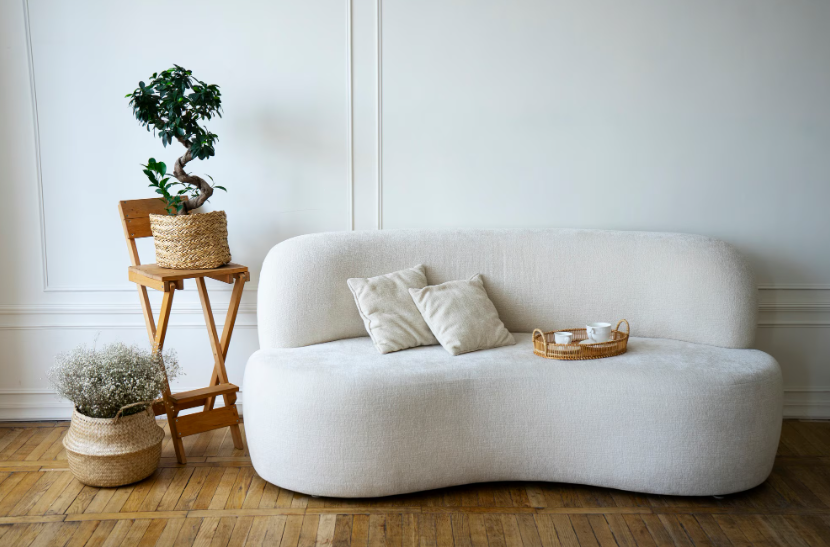
A well staged home highlights its strengths and helps buyers visualize how spaces can be used. Even simple adjustments such as rearranging furniture, improving lighting, and reducing clutter can enhance the impact of existing upgrades.
Staging works best when it complements recent improvements and creates a cohesive presentation.
Final thoughts
The best home upgrades before selling are those that improve both function and perception. Kitchens, bathrooms, curb appeal, and energy efficiency consistently offer strong returns, while lifestyle features can provide an additional edge in competitive markets.
Rather than focusing on large scale renovations, homeowners often benefit more from targeted, thoughtful improvements that make the property feel well maintained and ready to live in.
By choosing upgrades strategically, it is possible to increase both the selling price and the speed of sale, making the entire process more efficient and rewarding.