




Table of Contents
ToggleMeta-description: Learn five practical strategies for industrial fabricators and welders to prevent long-term neck strain, spine injuries, and eye fatigue while working on the shop floor.
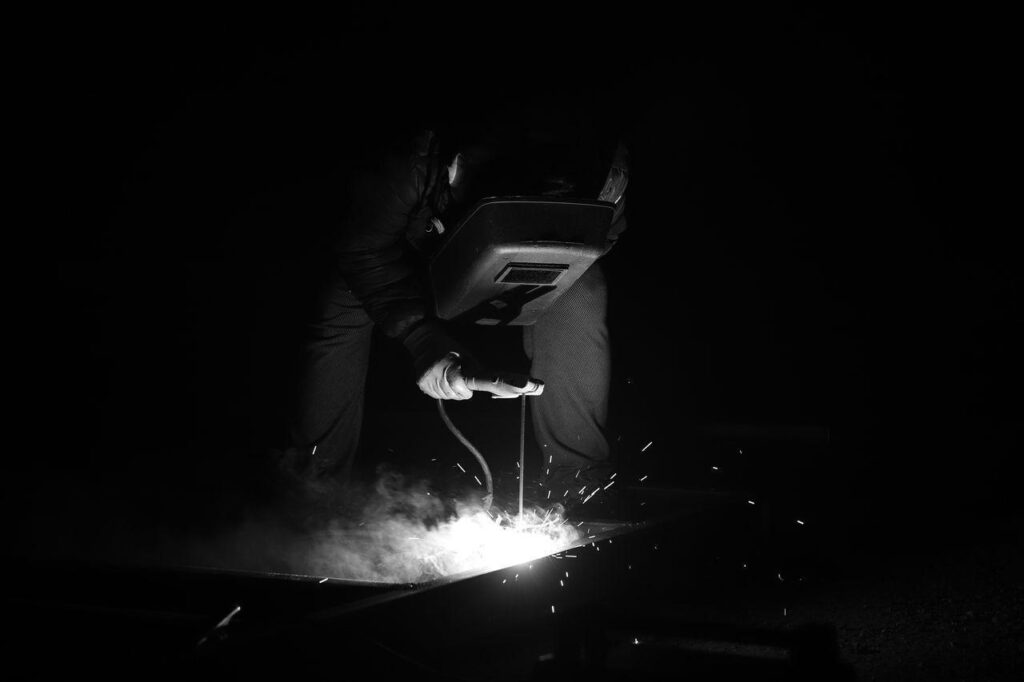
If you’ve spent any real time working in metal fabrication, you already know the physical toll it takes on your body. Between holding heavy torches, craning your neck under structural steel, and staring at high-intensity arcs for hours, your eyes and spine take a massive beating every single shift.
The trouble is that most fabricators treat minor stiffness and tired eyes as just part of the job. But over time, those small daily strains turn into chronic back issues, nerve compression, and permanent vision fatigue. Extending your career in the trades requires fixing your ergonomic habits before your body forces you to stop. Here are five practical ways to protect your eyes and spine during heavy fabrication work.
1. Upgrade to Advanced Auto-Darkening Optics
Sticking your head into tight spots while wearing a heavy, poorly balanced hood is a quick path to severe neck strain. Older gear often forces you to snap your neck downward just to drop the shield, creating repetitive micro-trauma in your cervical spine.
Modern safety gear has come a long way in solving this problem. Today's high-performance helmets feature ultra-lightweight shells, dynamic weight distribution, and crystal-clear auto-darkening lenses that eliminate optical distortion. Using responsive, top-tier protective equipment means you won't have to strain your neck or squint through cloudy glass just to strike a clean arc. If you're looking to upgrade your shop gear, partnering with an authorized distributor like a Josef Gas your trusted ESAB supplier ensures you get access to industry-leading welding helmets designed for maximum eye protection and head-neck balance.
2. Adjust Your Work Height to Match Your Posture
Hunching over a low fabrication table is one of the worst things you can do to your lower back. When you bend at the waist for extended periods, the lumbar discs endure double the pressure compared to sitting or standing upright.
Whenever possible, elevate your workpiece using hydraulic tables, adjustable jack stands, or positioners. Your goal should be to keep your work at mid-chest height so your shoulder blades stay pulled back and your neck remains neutral. If you can’t move the workpiece, adapt your stance—drop to one knee or take a wide, grounded squat rather than rounding your spine like a C-clamp.
3. Tackle Repetitive Strain with Target Rehabilitation
Even with great gear, heavy lifting and overhead welding inevitably cause tight muscles and joint misalignment. Ignoring a nagging lumbar ache or a stiff shoulder blade usually leads to compensatory movement patterns that wreck your posture even faster.
Addressing physical strain requires science-backed, non-invasive rehabilitation that targets the root cause of your pain rather than just masking it with over-the-counter pills. Working with movement specialists who offer comprehensive care—such as targeted manual therapy and joint realignment—helps restore functional range of motion before minor muscle tightness becomes a debilitating injury. Options like Kitchener physiotherapy relieve pain recapture your life provide tailored non-surgical treatments that help active trade professionals rebuild physical stamina, fix spinal dysfunction, and stay active without long term downtime.
4. Optimize Workspace Lighting to Reduce Eye Fatigue
A lot of fabricators assume that arc flash is the only hazard their eyes face. In reality, contrast glare is just as damaging over a long shift.
When you strike an arc in a dark, poorly lit shop corner, your pupils constantly dilate and contract as they attempt to adjust to the extreme brightness changes. This rapid optical shift causes headache-inducing eye fatigue. Set up bright LED task lighting around your immediate workspace. Raising the ambient light level reduces the harsh contrast between your ambient room lighting and the weld pool, making it far easier on your retinas.
5. Build Micro-Stretches Into Your Daily Workflow
You don't need a full hour of yoga to protect your back, but holding rigid positions for 45 minutes straight will lock up your thoracic spine.
Incorporate quick 30-second micro-stretches between passes or while waiting for welds to cool. Standing up straight, placing your hands on your lower back, and gently leaning backward opens up tight hip flexors and reverses the forward-hunching posture of welding. Adding a couple of gentle chin tucks keeps your neck extensors loose and prevents tension headaches from creeping in by the end of your shift.