



Table of Contents
ToggleThe way a home feels can shape daily life in quiet but important ways. Light, airflow, layout, materials, and connection to nature all influence comfort and well-being. Today, many homeowners want spaces that help them feel calm, focused, and healthy throughout the day. This growing interest in health and wellness architecture reflects a larger shift toward homes designed around real human needs.
Why Wellness Matters In Modern Homes
People now spend more time at home than ever before. Homes often serve as places for work, rest, family time, exercise, and recovery. Because of this, design choices carry more weight in everyday life.
A well-designed space can support better routines and reduce daily stress. Open layouts may improve movement through the home. Quiet spaces can support focus and relaxation. Natural materials can create warmth and comfort that feel inviting over time.
Wellness in home design does not require luxury or complicated technology. Many simple design ideas can improve how a space feels and functions. Small changes often make a noticeable difference in comfort and mood.
Natural Light Changes The Feel Of A Space
Natural light remains one of the most valuable parts of residential design. Bright spaces often feel larger, cleaner, and more welcoming. Sunlight also helps connect people to the rhythm of the day.
Architects and designers often place windows carefully to improve both light and comfort. Morning light in kitchens or workspaces can help support energy and focus. Softer evening light in living areas may create a calmer atmosphere later in the day.
Good lighting design also balances brightness with comfort. Too much glare or heat can make spaces feel tiring. Thoughtful window placement, shading, and room orientation help maintain balance throughout changing seasons.
Even smaller homes benefit from natural light. Skylights, open layouts, glass doors, and lighter interior finishes can all help spaces feel more open and connected.
Airflow And Comfort Matter More Than Ever
Fresh air plays an important role in healthy living spaces. Homes with strong airflow often feel cleaner and more comfortable during daily life.
Natural ventilation helps move air through rooms while reducing feelings of heaviness or stagnation. Windows placed across from one another can improve cross ventilation and support better indoor comfort.
Air quality also connects closely to material choices. Many homeowners now prefer low-toxin finishes, natural fibers, and materials that reduce indoor pollutants. These choices can help create spaces that feel healthier over time.
Comfort also includes temperature control and acoustics. Soft materials, insulation, and thoughtful room planning all contribute to spaces that feel stable and relaxing.
Layout Can Reduce Stress
The flow of a home shapes how people move and interact throughout the day. Poor layouts may create clutter, noise, and frustration. Thoughtful planning can improve comfort in subtle but lasting ways.
Clear pathways, functional storage, and flexible spaces often help homes feel easier to live in. Open gathering spaces may encourage connection among family members, while private areas support quiet moments and personal routines.
Many modern homeowners also want adaptable spaces. A guest room may become a workspace. A quiet corner may support reading, meditation, or exercise. Flexible design allows homes to evolve as lifestyles change.
Good design focuses on how people actually use spaces. Rooms should support daily habits naturally rather than forcing people to adjust around poor functionality.
Natural Materials Create Warmth
Natural materials continue to shape wellness-focused homes because they feel grounded and authentic. Wood, stone, clay, wool, and linen often bring softness and texture into interiors.
These materials also create visual calm. Many homeowners now prefer spaces that feel simple, warm, and connected to nature rather than overly polished or crowded with decoration.
Texture plays an important role in comfort. Smooth stone, warm wood grain, and soft fabrics help create sensory balance throughout a home. These details may seem small, yet they influence how welcoming a space feels.
Durability matters as well. Long-lasting materials reduce maintenance and support sustainable living goals. Homes built with quality materials often remain comfortable and appealing for many years.
Indoor And Outdoor Living Work Together
People naturally feel better when they spend time outside. For this reason, many homes now include stronger connections between indoor and outdoor spaces.
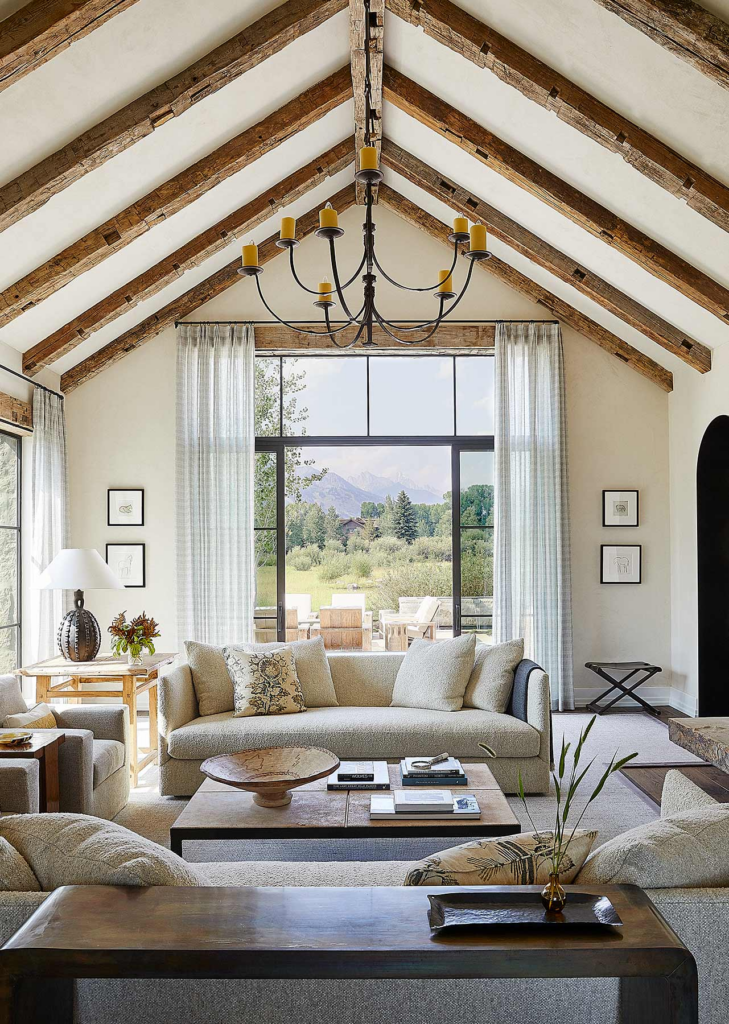
Patios, terraces, gardens, and covered outdoor seating areas extend living spaces beyond the walls of the home. Large windows and sliding doors can also create stronger visual connections to nature.
Even in urban settings, small outdoor areas can improve daily life. A balcony with plants, a quiet courtyard, or a shaded outdoor dining area may support relaxation and fresh air.
These connections also help homes feel less confined. Views of trees, gardens, or natural light often create a stronger sense of openness and calm indoors.
Homes Should Support Real Life
Wellness-focused design is ultimately about creating homes that support people in practical and meaningful ways. A comfortable home should feel welcoming, functional, and easy to live in each day.
This approach values balance rather than excess. It focuses on quality materials, healthy environments, natural light, and spaces that support both activity and rest.
As more homeowners prioritize comfort and well-being, wellness-centered design will continue shaping modern architecture. Homes designed around human experience often create lasting value because they improve the quality of everyday life in simple and meaningful ways.