




Table of Contents
ToggleBeige has shed its reputation as boring. In 2026, designers and DIYers alike are rediscovering its versatility as a foundation for bedrooms that feel both restful and sophisticated. Unlike stark white or trendy grays, beige brings natural warmth without competing with furnishings or architectural details. It’s forgiving with natural light, works across traditional and contemporary styles, and provides a neutral canvas that simplifies future updates. Whether someone’s working with a small rental bedroom or tackling a primary suite renovation, beige offers a practical starting point that doesn’t sacrifice style. This guide walks through proven strategies for using beige effectively, from selecting the right undertones to layering textures and choosing accent colors that make the palette feel intentional, not accidental.
Key Takeaways
- Beige bedroom ideas prioritize texture layering—mixing materials like linen, velvet, wood, and natural fibers—to prevent flat, one-dimensional spaces and add visual interest without introducing new colors.
- Undertone selection is critical: gray-beige (greige) works best in bright spaces, yellow-beige suits warm wood tones, and pink-beige flatters cooler light, so test paint samples in your actual room at different times of day before committing.
- Apply the 60-30-10 design rule (60% beige, 30% secondary neutral, 10% accent color) and choose accent colors like terracotta, charcoal, navy, or sage green to transform beige from default to intentional.
- Layered lighting with warm-white bulbs (2700K-3000K), dimmer switches, and multiple light sources—ambient, task, and accent—reveals texture and prevents beige bedrooms from looking dull or gray.
- Contrast in major furniture pieces, such as upholstered headboards paired with metal frames or mixed wood finishes, prevents an all-beige palette from feeling disconnected and creates a curated aesthetic.
- Strategic window treatments in natural fabrics, positioned mirrors opposite windows, and lighter beige tones enhance natural light and prevent north-facing beige bedrooms from appearing dingy.
Why Beige Bedrooms Are Making a Major Comeback
The return of beige reflects a broader shift away from cool, clinical interiors toward spaces that prioritize comfort and tactile richness. Gray’s decade-long dominance left many rooms feeling cold, especially in bedrooms where warmth matters most. Beige solves this problem without the maintenance concerns of darker colors or the starkness of pure white.
From a practical standpoint, beige hides imperfections better than lighter neutrals. Minor wall dings, uneven drywall texture, or slight color variations in paint batches become less noticeable. This makes it particularly useful in older homes or rentals where wall surfaces aren’t perfectly smooth.
Beige also plays well with natural materials, linen, wool, jute, and wood tones, which have become staples in contemporary bedroom design. It doesn’t clash with warm wood flooring or compete with statement furniture pieces. For DIYers planning to update a bedroom in phases (paint now, furniture later), beige provides flexibility that trendy colors don’t offer.
The color’s neutrality extends to resale value. While bold accent walls can polarize potential buyers, neutral beige bedrooms appeal broadly and photograph well for listings. Homeowners looking to refresh a space without limiting future buyers often choose beige for this reason.
Layering Textures to Add Depth and Interest
Beige neutral bedroom ideas succeed or fail based on texture. Without variation in materials and finishes, a beige room reads flat and one-dimensional. The solution lies in deliberate layering.
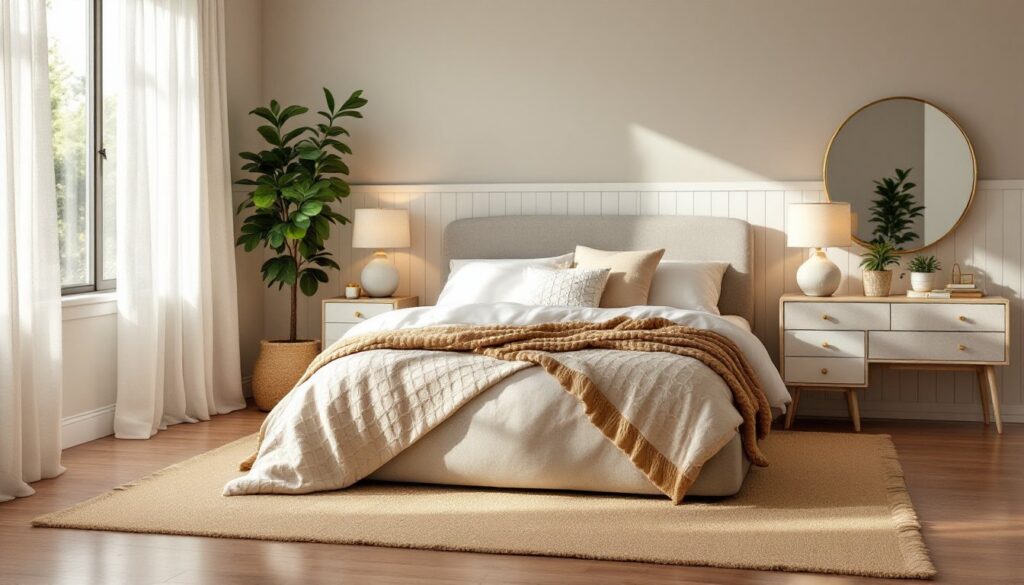
Start with the bed itself. Mix materials: a linen duvet with a chunky knit throw, velvet pillows against cotton shams, or a quilted coverlet over smooth percale sheets. Each fabric catches light differently, creating visual interest without introducing new colors.
Wall treatments add dimension beyond standard flat paint. Consider these options:
- Textured paint techniques: Subtle sponging, rag-rolling, or Venetian plaster finishes add depth. These work best in rooms with good natural light.
- Grasscloth or natural fiber wallpaper: Provides organic texture and helps with minor wall imperfections. Installation requires patience and a sharp utility knife for clean seams.
- Board and batten or shiplap: Painted in the same beige as walls but in a different sheen (satin walls with matte trim, for instance) creates shadow lines that break up flat surfaces.
Flooring and rugs matter more than most realize. If working with carpet, a textured loop or cut-and-loop pattern prevents the floor from disappearing visually. For hardwood or laminate, layer rugs: a large jute or sisal base with a smaller, plush accent rug at the bedside adds both comfort and texture contrast.
Window treatments shouldn’t be overlooked. Roman shades in Belgian linen, bamboo blinds with linen drapes, or even textured cellular shades add architectural interest while controlling light. Avoid thin, flat fabrics that look lifeless against beige walls.
Choosing the Perfect Beige Palette for Your Bedroom
Not all beiges are created equal, and choosing the wrong undertone creates problems that even good furniture can’t fix. Beige and white bedroom ideas depend heavily on understanding how undertones interact with natural light.
Test paint samples in the actual room. Paint 2′ x 2′ squares on at least two walls, one that receives direct sunlight and one that doesn’t. Observe them at different times of day. Beiges with pink or peach undertones can look warm and inviting in morning light but turn muddy or orange in afternoon sun. Gray-beiges (sometimes called “greige”) read cooler and work well in rooms with abundant natural light but can feel dingy in north-facing spaces.
Common beige undertones include:
- Yellow-beige: Traditional and warm, pairs well with honey-toned wood and brass fixtures. Can feel dated if not balanced with contemporary elements.
- Gray-beige (greige): Modern and versatile, works with both warm and cool accent colors. The go-to for neutral beige bedroom decor in 2026.
- Pink-beige: Soft and slightly feminine, flattering in rooms with cooler light. Can clash with red-toned woods.
- Green-beige: Earthy and grounding, complements natural materials but requires careful testing, goes muddy easily.
Consider existing elements. If keeping existing carpet, bedding, or furniture, bring samples to the paint store. Even slight mismatches in undertones become obvious once paint dries.
Sheen affects color perception. Flat or matte finishes absorb light and appear slightly darker and warmer. Eggshell or satin reflects more light and reads lighter. For most bedrooms, eggshell offers the best balance, durable enough for occasional cleaning without glare.
Accent Colors That Elevate Beige Bedrooms
Beige needs a supporting cast to feel intentional rather than default. Strategic accent colors transform a neutral space into a cohesive design.
For warmth and richness:
- Terracotta and rust: Bring earthy depth without overwhelming the space. Use in throw pillows, a ceramic table lamp, or artwork.
- Warm brown and chocolate: Natural companions to beige. Leather headboards, wooden nightstands, or woven baskets in dark brown anchor the palette.
- Brass and gold metallics: Hardware, light fixtures, and mirror frames in warm metals add sophistication.
For contrast and energy:
- Charcoal and soft black: Introduce visual weight. A black iron bed frame, dark wood dresser, or charcoal throw blanket prevents beige from feeling washed out.
- Navy or deep teal: Adds unexpected depth while maintaining a calming atmosphere. Works especially well in beige and white bedroom ideas where crisp white trim provides transition.
- Olive and sage green: Connects to the outdoors and complements beige’s natural undertones.
For lightness and airiness:
- Soft white and cream: Layering slightly lighter neutrals creates subtle dimension. White bedding against beige walls feels clean without sterility.
- Blush and dusty rose: Adds gentle color without competing with beige. Works particularly well with pink-beige wall tones.
Use the 60-30-10 rule as a starting point: 60% beige (walls and major furniture), 30% secondary neutral (bedding, larger textiles), and 10% accent color (pillows, artwork, accessories). This ratio prevents any single element from overpowering the space.
Furniture and Decor Ideas for a Beige Bedroom
Furniture selection makes or breaks a beige bedroom. The wrong pieces turn neutral into nondescript: the right ones create intentional, curated spaces.
Bed frames and headboards:
- Upholstered headboards in linen, velvet, or bouclé add softness and texture. Choose a shade slightly darker or lighter than walls for definition.
- Wood frames in walnut, oak, or acacia introduce natural contrast. Avoid matching wood tones too closely to wall color, create separation.
- Metal frames in black iron or brass provide structural contrast against soft beige walls.
Storage and case goods:
- Mix finishes rather than matching sets. A light oak dresser paired with darker walnut nightstands feels collected, not catalog.
- Consider painted furniture in soft white or charcoal to break up wood tones.
- Open shelving or bookcases prevent walls from feeling too heavy, balance solid pieces with transparency.
Decor elements that add personality:
- Artwork: Avoid beige-on-beige art that disappears. Choose pieces with contrast, black and white photography, colorful abstracts, or textured fiber art.
- Plants: Greenery provides organic color and improves air quality. Snake plants, pothos, or fiddle-leaf figs thrive in typical bedroom conditions.
- Mirrors: Positioned opposite windows, they amplify natural light. Wood or brass frames add warmth: black frames add definition.
- Baskets and storage: Woven seagrass, rattan, or jute baskets provide functional texture while hiding clutter.
Avoid monochromatic furniture. An all-beige upholstered bed, beige walls, and beige dresser create a blob of sameness. Introduce contrast through material or color in at least one major furniture piece.
Lighting Strategies to Enhance Warmth and Ambiance
Lighting transforms beige from bland to beautiful. Poor lighting makes even well-designed beige bedrooms feel dull: good lighting reveals texture and creates atmosphere.
Layer light sources. Relying on a single overhead fixture flattens the room. Aim for three types:
- Ambient lighting: Recessed ceiling lights or a flush-mount fixture for general illumination. Use LED bulbs in 2700K-3000K (warm white) to enhance beige’s warmth. Avoid cool white (4000K+), which makes beige look gray and dingy.
- Task lighting: Bedside lamps or wall-mounted swing-arm sconces for reading. Place them 18-24″ above mattress level to prevent glare. Choose fixtures with fabric shades that diffuse light softly.
- Accent lighting: Picture lights, LED strip lighting behind headboards, or uplights near plants add dimension and visual interest after dark.
Consider dimmer switches. Installing a dimmer on overhead lights allows adjustment throughout the day and before sleep. Standard toggle dimmers work with most LED bulbs: verify compatibility before purchasing. Installation is straightforward for anyone comfortable with basic electrical work but requires turning off power at the breaker, never work on live circuits.
Natural light matters significantly. Beige bedrooms need adequate daylight to avoid looking muddy. If windows are limited:
- Use lighter beige tones with more white in the mix.
- Keep window treatments minimal or choose sheer fabrics that filter rather than block light.
- Position mirrors strategically to bounce available light.
Fixture finishes should complement accent colors. Brass or gold fixtures enhance warm beiges: matte black or bronze adds contrast: brushed nickel suits cooler greige tones.
Conclusion
Beige bedrooms work when treated as a foundation, not a finish line. The key lies in layering textures, selecting the right undertones for available light, and introducing accent colors that provide contrast without competing. By focusing on material variety, mixing linen, wood, metal, and natural fibers, and implementing thoughtful lighting, anyone can create a beige bedroom that feels intentional, warm, and far from boring. Test paint samples thoroughly, invest in quality textiles, and don’t shy away from darker accent pieces that give the space definition. The result is a timeless bedroom that adapts easily to changing styles and personal preferences.